
A good external staircase is almost invisible: you walk up it without thinking. A bad one announces itself with every step, the tread that is too shallow, the riser that is a touch too tall, the bounce that says the stringers are undersized. Stairs are the part of an outdoor build you feel with your whole body, which is exactly why they are worth getting right.
This is how external timber and composite stairs are designed and built, and what separates a flight that lasts from one that does not.
It all comes from the rise and the going
Two numbers define a staircase. The rise is how far each step lifts you; the going is how deep each tread is front to back. Get these consistent and correct and the stairs feel natural. Get them wrong and no amount of nice timber will save them.
The trade rule of thumb is that twice the rise plus the going should land in a comfortable band, which is why you cannot just pick a riser height at random. There are also limits set by the National Construction Code on how tall a riser can be, how shallow a going, and how the two relate. The exact figures are worth confirming against the current code before you cut anything (TBC), or you can sense-check a flight quickly with the stair builder calculator.
The number one fault we see in DIY and cut-price stairs is an uneven last step, where the maths was not worked back from the total rise. It is the easiest way to trip someone.
The stringers are the backbone
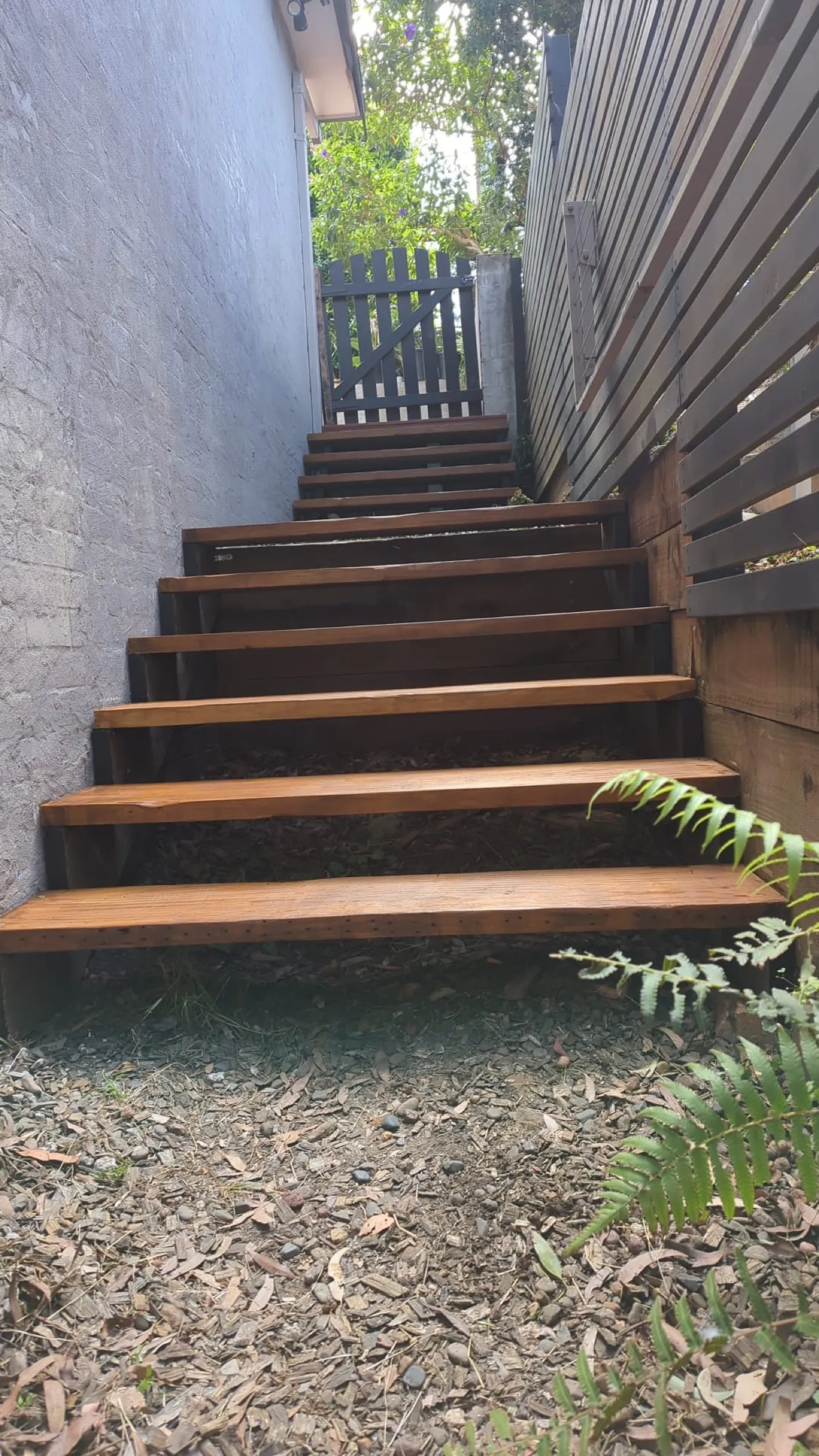
The stringers are the angled boards that carry every tread. They take the load, set the geometry and hold the flight rigid. Undersized or poorly fixed stringers are why old stairs feel bouncy and why some fail. On anything but the smallest flight, this is not the place to save money or guess at sizing.
Whatever the design, the stringers have to be anchored properly top and bottom, to a solid landing and to footings that will not move. Stairs are only ever as steady as what they sit on.
Timber, composite, and the weather
Outdoor stairs cop more wear than the deck they serve, because every step lands in the same spot. That makes material choice matter.
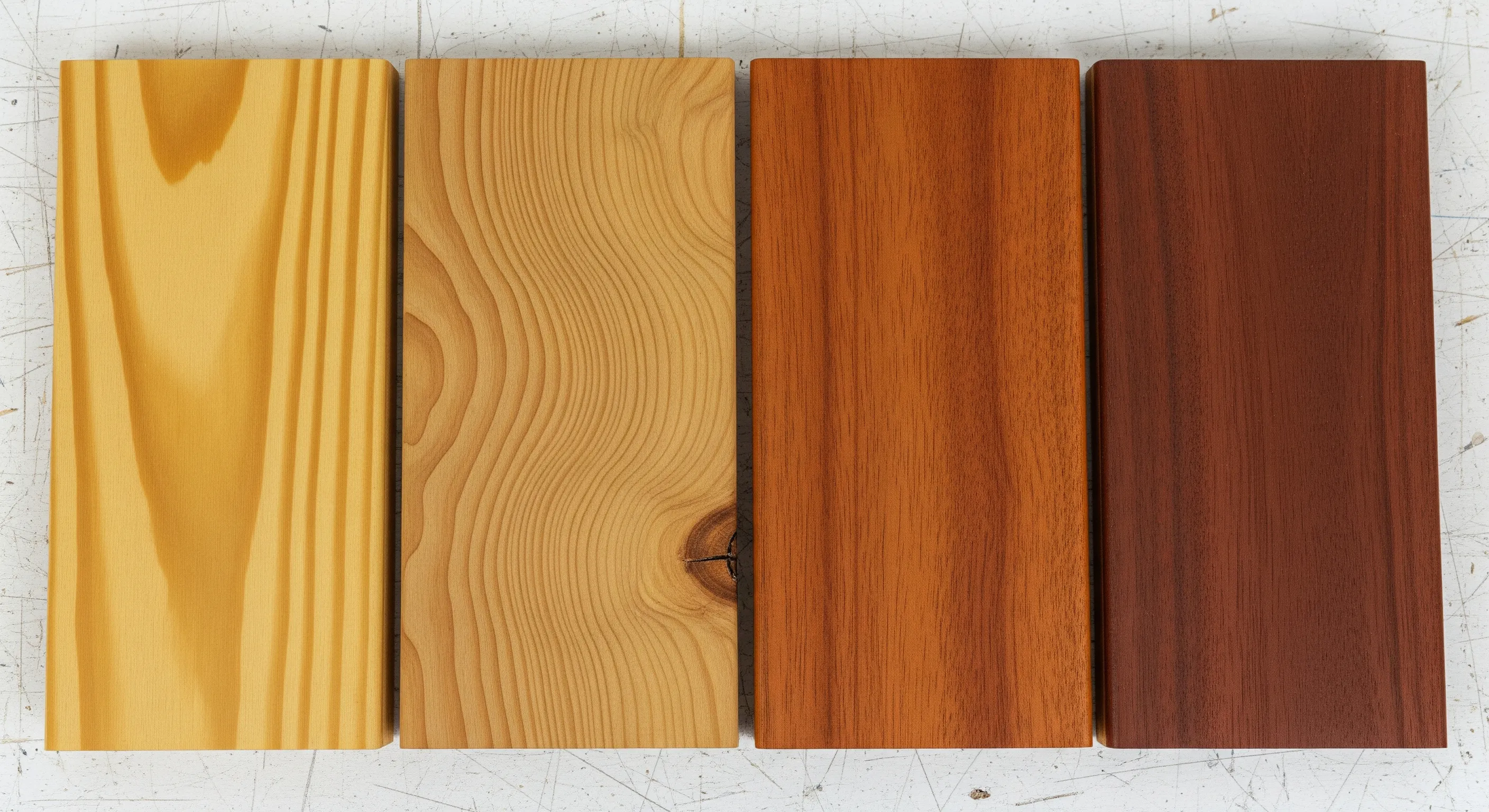
- Hardwood (spotted gum, merbau and similar) is strong, looks excellent and is the traditional choice. It needs oiling to hold its colour and shrug off the weather. If you want the detail on species, see choosing decking timber.
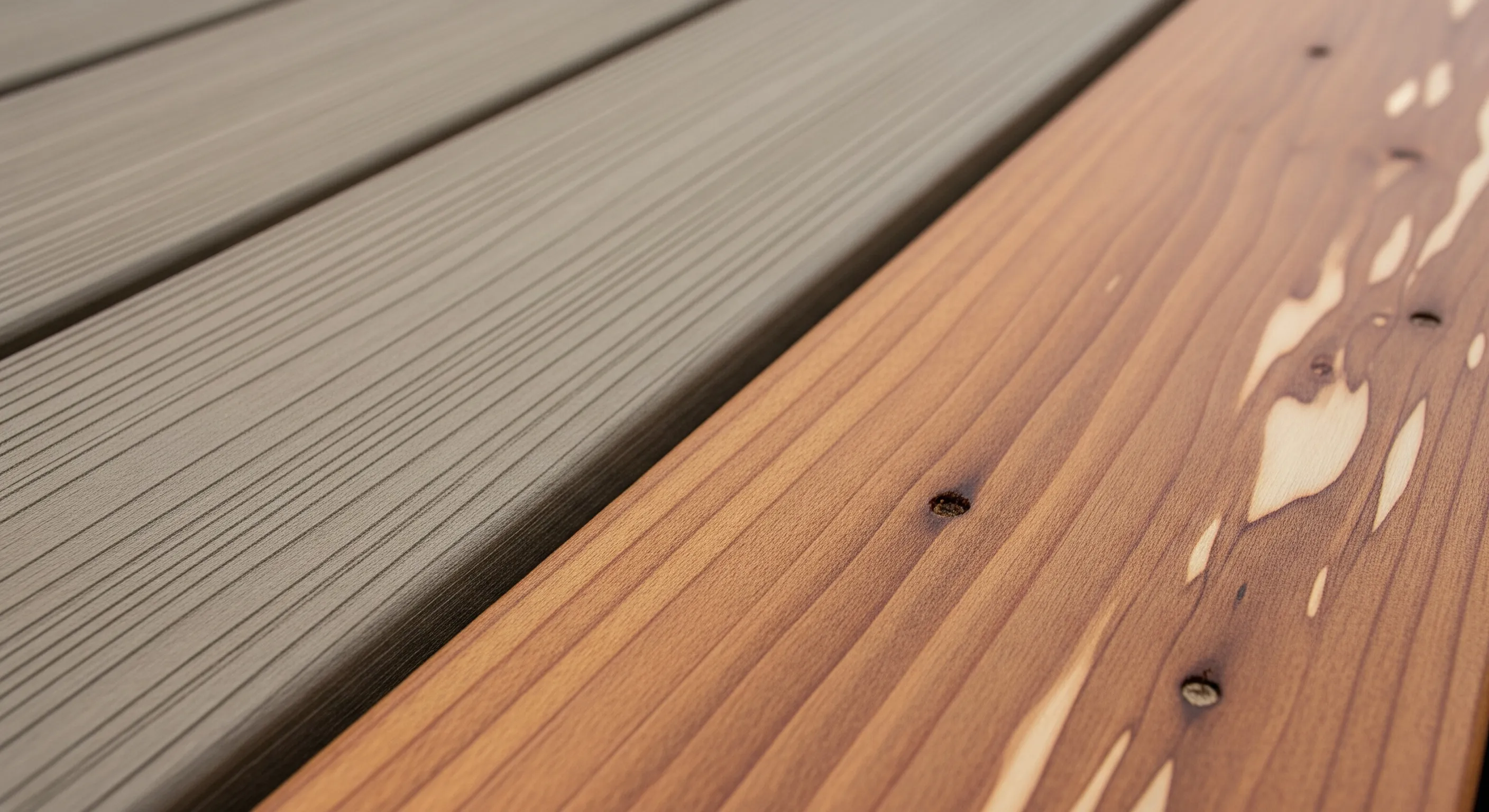
- Composite treads cost more up front and ask for far less upkeep, which suits a busy household. The trade-offs are the same ones we cover in composite versus hardwood decking.
Either way, the detailing is what makes stairs last: treads laid with a slight fall so water sheds, gaps for drainage, and fixings rated for a wet environment, salty if you are near the coast.
Handrails, balustrades and the rules
Once a flight gets beyond a step or two, it needs a handrail to hold and, where there is a drop to the side, a balustrade to stop a fall. Both have required heights, and balustrades have limits on the gaps so a child cannot slip through. These are not optional niceties; they are the difference between a compliant staircase and one that fails an inspection or, worse, hurts someone.
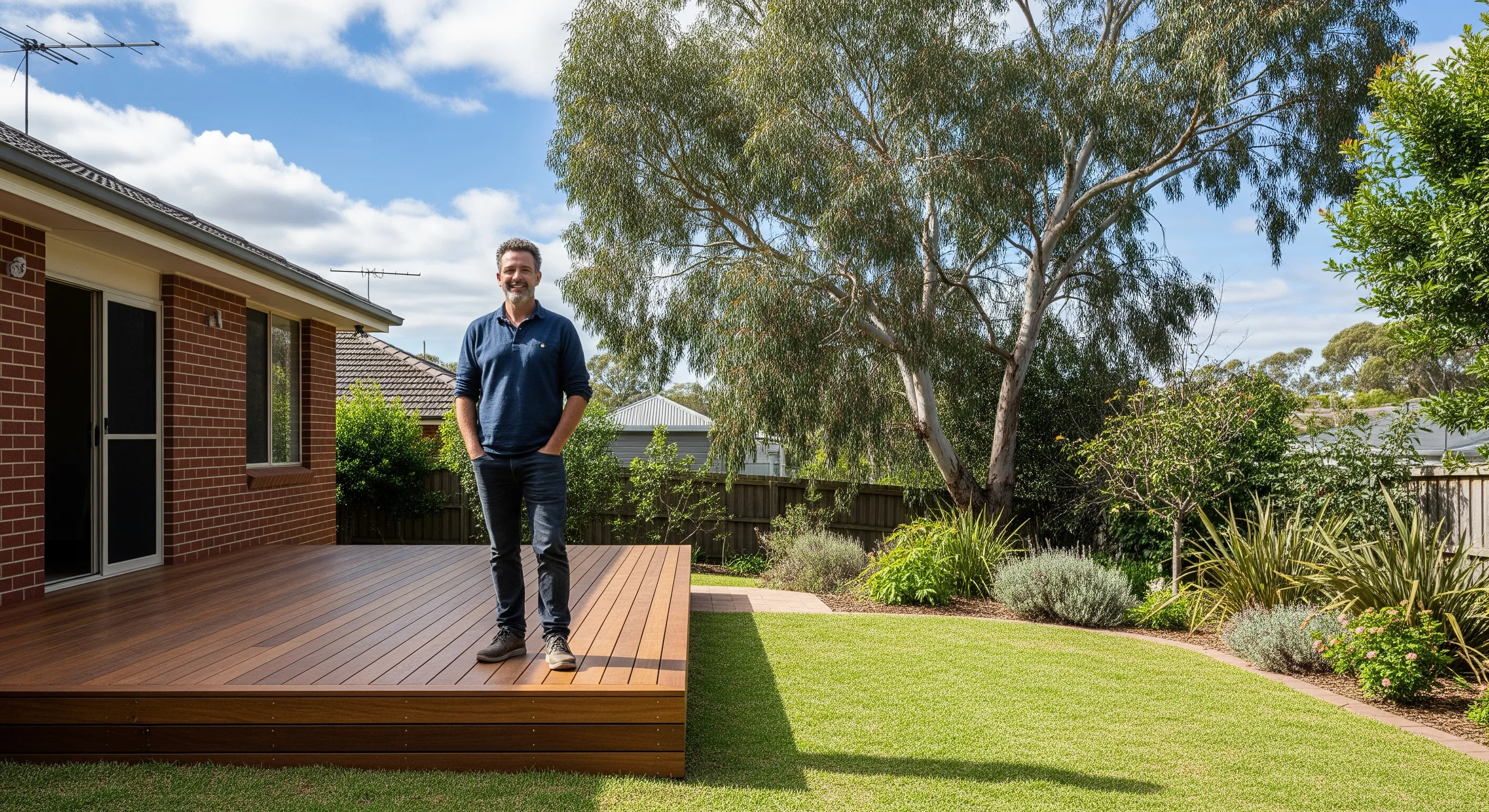
If your stairs are part of a larger deck project, whether the whole job needs council sign-off is a separate question worth checking early: see do you need council approval for a deck.
When to call someone in
Plenty of people build a short set of back steps themselves and do a fine job. The moment a staircase gets tall, turns a corner, lands on a slope or carries a balustrade, the geometry and the structure get unforgiving, and a mistake is one you walk on every day.
That is work we take seriously. If you want stairs designed and built properly, standalone or off a deck, that is a speciality of ours.
Thinking about your own deck? See our decking services or get a free quote.